
Construction Business Loans
Construction runs on heavy equipment, slow-paying general contractors, and project cycles that tie up cash long before the final draw clears. Rise matches you with construction business funding built for how contractors actually run: fast capital for equipment and emergency repairs, working capital that bridges retainage and mobilization, and financing for everything from excavators to a new yard expansion. Whether you run a general contracting firm, specialty trade, or civil and roadwork operation, Rise delivers funding at the speed your project schedule demands.
A Funding Decision Within 2 Hours of Complete Documents
What Are Construction Business Loans?
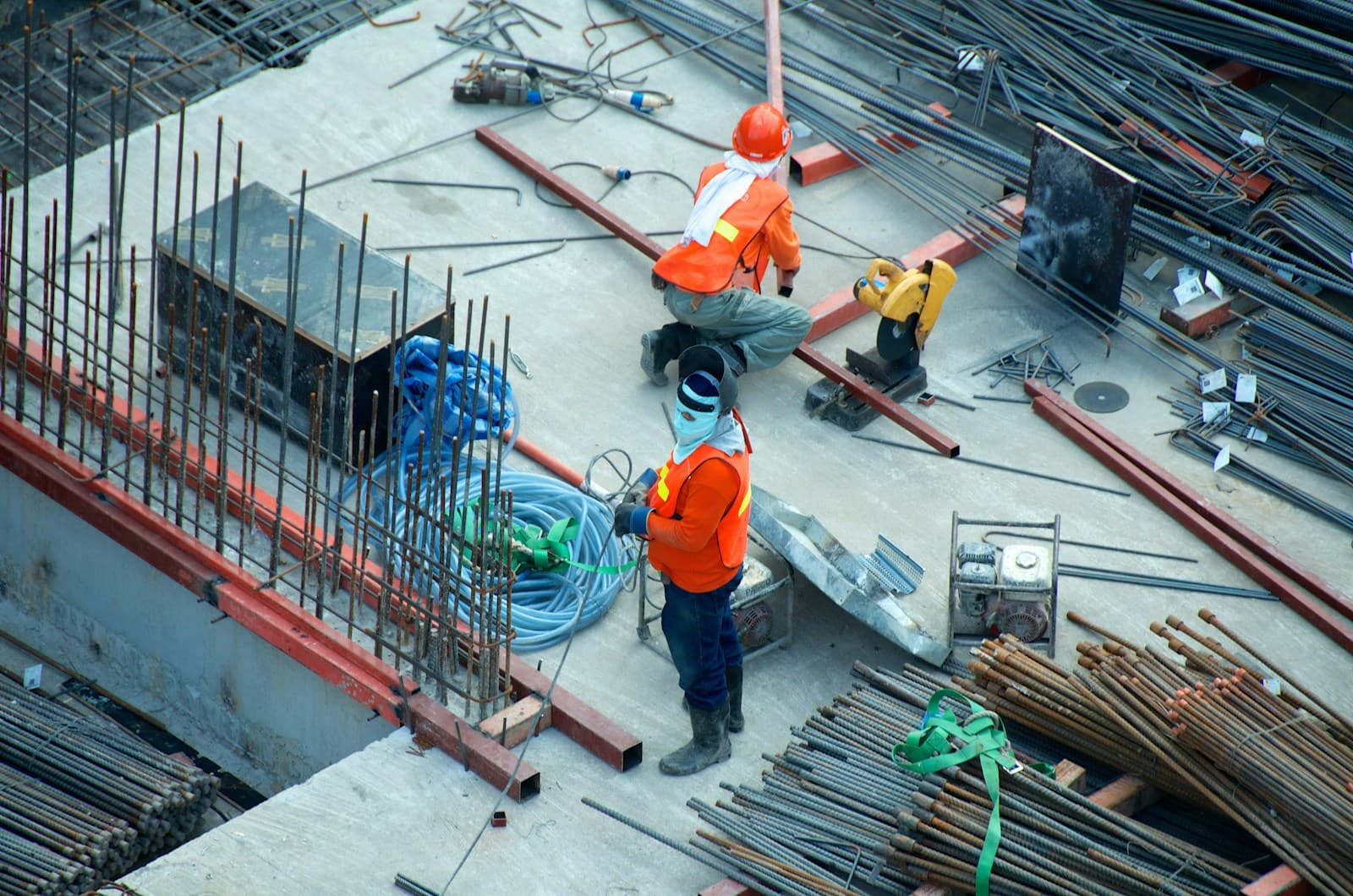
Construction business loans are financing products designed for the project-based realities of contracting work. Construction firms face unique financial pressures: heavy equipment costs hundreds of thousands of dollars, materials and labor are committed upfront, general contractors routinely pay 30, 60, or 90 days after work is complete, and retainage holds back 5 to 10 percent of every project until final acceptance.
Rise offers multiple financing products tailored to construction: equipment financing for excavators, dump trucks, and skid steers, invoice factoring to convert slow-paying GC invoices and retainage into immediate cash, business lines of credit for materials, payroll, and fuel between draws, and bridge financing for mobilization and the gap between starting a job and the first milestone payment.
Whether you need to replace a critical machine mid-job, cover payroll between project starts, or expand into a new yard or office, construction financing through Rise is built for speed. Use our business loan calculator to estimate costs.
Requirements to Qualify for Construction Business Loans
Personal FICO Score
550+
Contractors qualify across a range of credit profiles. Equipment financing is especially accessible because the machinery serves as collateral. Invoice factoring has no credit minimum; approval is based on the general contractor or property owner paying the invoice.
Monthly Revenue
$10,000+
Lenders look at draw deposits, contract revenue, and AIA pay application history. Lumpy project-based revenue is normal in construction; the underwriter focuses on the trailing pattern, not whether last month matched this month.
Time in Business
6+ months
Established contractors with 2+ years of operating history unlock the widest range of products. Newer firms with a strong backlog and reliable GC relationships can still qualify for equipment financing and short-term working capital.
Bank Account
Business account required
Used to verify draw timing, payroll cycles, and material supplier payments. Contractors with significant outstanding retainage or net-60 receivables are strong candidates for invoice factoring.
Not sure if your construction business qualifies? Rise evaluates your full picture: contract backlog, equipment value, GC relationships, and revenue patterns. Retainage holds and net-30 to net-90 draw schedules won't disqualify you. We understand how construction cash flow works.
Funding Needs & Use Cases for Contractors
Heavy Equipment & Vehicles
Excavators, skid steers, dump trucks, concrete pumps, telehandlers, attachments. Finance critical machinery without depleting working capital. The equipment itself often serves as collateral.
Equipment Financing→Materials & Subcontractor Payments
Lumber, concrete, steel, electrical, and plumbing supplies often need to be paid before the next draw arrives. Revolving credit covers material runs and subcontractor invoices on demand.
Business Line of Credit→Retainage & Slow-Pay GC Invoices
Retainage of 5 to 10 percent and 60-day general contractor payment cycles tie up cash you have already earned. Convert outstanding invoices into immediate working capital.
Invoice Factoring→Project Mobilization & Bridge Capital
You won the bid but the first draw is six weeks out. Bridge capital covers mobilization, permits, and the gap between starting the job and the first milestone payment.
Bridge Financing→Payroll & Crew Costs
Skilled tradespeople and licensed crew need to be paid weekly even when the project owner pays monthly. Working capital smooths the gap between payroll Friday and the next draw.
Cash Flow Loans→Yard, Shop & Real Estate Expansion
Bigger equipment yard, owner-occupied shop or office, fleet expansion, new branch location. Long-term capital for the assets that grow your capacity and your service area.
Long-Term Business Loans→See If Your Construction Business Qualifies
Find out what financing options are available for your contracting operation. The application takes less than 5 minutes and won't impact your credit score.
Construction Business Loans vs Traditional Financing
Construction-Focused Financing
- Approval based on contract backlog, equipment value, and GC relationships, not just credit score
- Equipment financing where the machine itself serves as collateral
- Invoice factoring that converts slow-paying GC invoices and retainage into same-day cash
- Built for the mobilization-then-draw-then-retainage cash flow cycle contractors actually live with
- Supports equipment, materials, payroll, mobilization capital, and yard or shop expansion
- Available to general contractors, specialty trades, civil and roadwork operators, and owner-builders
Traditional Bank Financing
- Fixed monthly payments regardless of project draws, weather delays, or seasonal slowdowns
- Two-to-six-week approval timelines that can't keep pace when a piece of equipment breaks mid-job
- Collateral requirements far beyond the equipment being financed
- No accommodation for the bid-mobilize-build-wait-for-payment cash flow rhythm
- Limited understanding of retainage, AIA pay applications, and project draw schedules
- One-size-fits-all terms not built for project-based contracting work
Recommended Financing for Contractors
- Finance excavators, dump trucks, skid steers, concrete pumps, and attachments without depleting working capital
- The equipment itself serves as collateral, no additional business assets required
- Terms aligned with the machine's useful life so the asset pays for itself as it works
- Potential Section 179 tax deduction on qualifying construction equipment
- Convert slow-paying GC invoices and retainage into immediate cash without waiting 30, 60, or 90 days
- No credit score requirement; approval is based on the GC or property owner paying the invoice
- Scales with your contract volume: more invoices means more available capital
- Built for the long payment cycles that come with public works, commercial GC pay applications, and retainage holdbacks
- Draw funds for materials, fuel, weekly payroll, and emergency repairs when you need them
- Repay when the next draw clears, then draw again for the next phase or the next project
- Only pay interest on what you use, not the full credit limit
- Ideal for smoothing the gap between mobilization, milestone payments, and final draw
Frequently Asked Questions About
Construction Business Loans
What financing options are available for construction businesses?
Rise offers construction-specific financing including equipment financing for excavators, dump trucks, and skid steers, invoice factoring to convert slow-paying GC invoices and retainage into immediate cash, business lines of credit for materials, fuel, and payroll between draws, bridge financing for project mobilization, cash flow loans for crew costs, and long-term loans for yard, shop, or fleet expansion.
Can new construction companies qualify for business loans?
Yes. Contractors with as little as 6 months of operating history can qualify for equipment financing and short-term working capital. Equipment financing is especially accessible for newer firms because the machinery itself serves as collateral. Established contractors with 2+ years of operating history unlock the widest range of products including long-term loans and SBA financing.
What credit score do I need for a construction business loan?
It depends on the product. Invoice factoring has no credit score minimum; approval is based on the general contractor or property owner paying the invoice. Equipment financing starts at 575, and short-term working capital at 600. Business lines of credit typically require 600+. SBA loans generally need 600+. Rise works with contractors across the credit spectrum.
How does invoice factoring work for contractors and subcontractors?
Invoice factoring converts your outstanding GC invoices and retainage into immediate cash. Instead of waiting 30, 60, or 90 days for the next AIA pay application to clear, you sell the invoice to a factoring company and receive funds within 24 hours. The factor collects payment directly from the GC or property owner. Learn more about invoice factoring.
Is equipment financing available for excavators, dump trucks, and other construction machinery?
Yes. Lenders in Rise's network offer equipment financing for the full range of construction machinery including excavators, skid steers, dump trucks, telehandlers, concrete pumps, compactors, generators, trenchers, and attachments. The equipment itself serves as collateral, so you don't need to pledge additional business assets. Terms are aligned with the machine's useful life, and used equipment is usually fundable alongside new.
How do retainage and slow GC payments affect my ability to qualify for financing?
They don't disqualify you. Rise understands that retainage and net-30 to net-90 GC payment cycles are standard in construction. Underwriters look at the trailing draw pattern and contract backlog rather than expecting every invoice to clear on the day it's submitted. Invoice factoring is specifically built to eliminate the retainage and slow-pay gap.
What documents are required for a construction business loan?
Most products require 3 to 6 months of recent bank statements, a valid contractor license, proof of ownership, and a government-issued ID. For invoice factoring, you'll also need copies of outstanding GC invoices or pay applications. SBA loans require additional documentation including tax returns and financial statements. Rise focuses on revenue performance and project backlog, making the process faster than traditional bank applications.
Can I finance a new yard, shop, or fleet expansion?
Yes. Long-term business loans and SBA 504 loans provide capital for owner-occupied shops, equipment yards, fleet expansion, and new branch locations. Terms up to 25 years keep monthly payments manageable while you grow your service area.
How fast can contractors get funded?
Most construction business loan applications are reviewed within hours. Many contractors receive a decision the same day and funding within 24 hours. Equipment financing and invoice factoring typically move fastest, which matters when a critical machine breaks down mid-job. SBA loans take longer, typically 30 to 90 days, but offer the most competitive rates for qualified borrowers.
Can I use financing to cover payroll between project draws?
Yes. A business line of credit is ideal for bridging the payroll gap. Draw funds when crew payday hits, then repay when the next milestone payment or draw clears. Cash flow loans are another option when payroll demands are large and predictable across a long project.
Does Rise work with general contractors, subcontractors, and specialty trades?
Yes. Rise works with general contractors, civil and roadwork operators, framing, electrical, plumbing, HVAC, roofing, concrete, masonry, drywall, painting, landscaping and site work, demolition, and other specialty trades. Owner-builders and small commercial developers are also a common fit. Rise serves construction businesses across every US state.
Is construction business financing right for my company?
If your construction business has consistent contract backlog and revenue but faces cash flow pressure from retainage, slow GC payments, equipment needs, material costs, or project mobilization, construction financing can help. Use our business loan calculator to estimate costs, or apply in minutes to see what options are available for your specific operation.
Trusted by Construction Businesses Across the USA
Decision After Complete Documents
Within 2 Hours
Funding Available
$5K to $5M
Construction Businesses Funded
Across All 50 States
Construction Loans in Your State
Available across all 50 states and Washington, D.C. Pick your state to see local programs, qualification specifics, and state-tailored FAQs.
- Alabama
- Alaska
- Arizona
- Arkansas
- California
- Colorado
- Connecticut
- Delaware
- District of Columbia
- Florida
- Georgia
- Hawaii
- Idaho
- Illinois
- Indiana
- Iowa
- Kansas
- Kentucky
- Louisiana
- Maine
- Maryland
- Massachusetts
- Michigan
- Minnesota
- Mississippi
- Missouri
- Montana
- Nebraska
- Nevada
- New Hampshire
- New Jersey
- New Mexico
- New York
- North Carolina
- North Dakota
- Ohio
- Oklahoma
- Oregon
- Pennsylvania
- Rhode Island
- South Carolina
- South Dakota
- Tennessee
- Texas
- Utah
- Vermont
- Virginia
- Washington
- West Virginia
- Wisconsin
- Wyoming
Get Construction Business Funding Today
Construction business loans designed for the way your operation actually runs. Fast approvals, flexible terms, and funding in as little as 24 hours. Apply now and see what you qualify for.